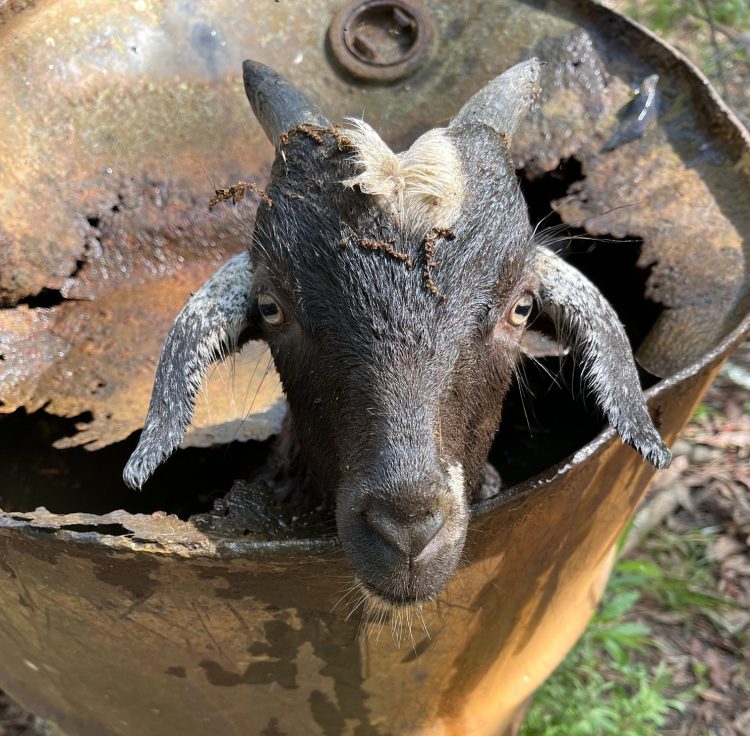
Pastoral Equanimity is the cultivated inner stillness that arises from standing alongside the goats. Shepherding with proximity. Being alone with the world, nudging it in this way and that but never controlling it.
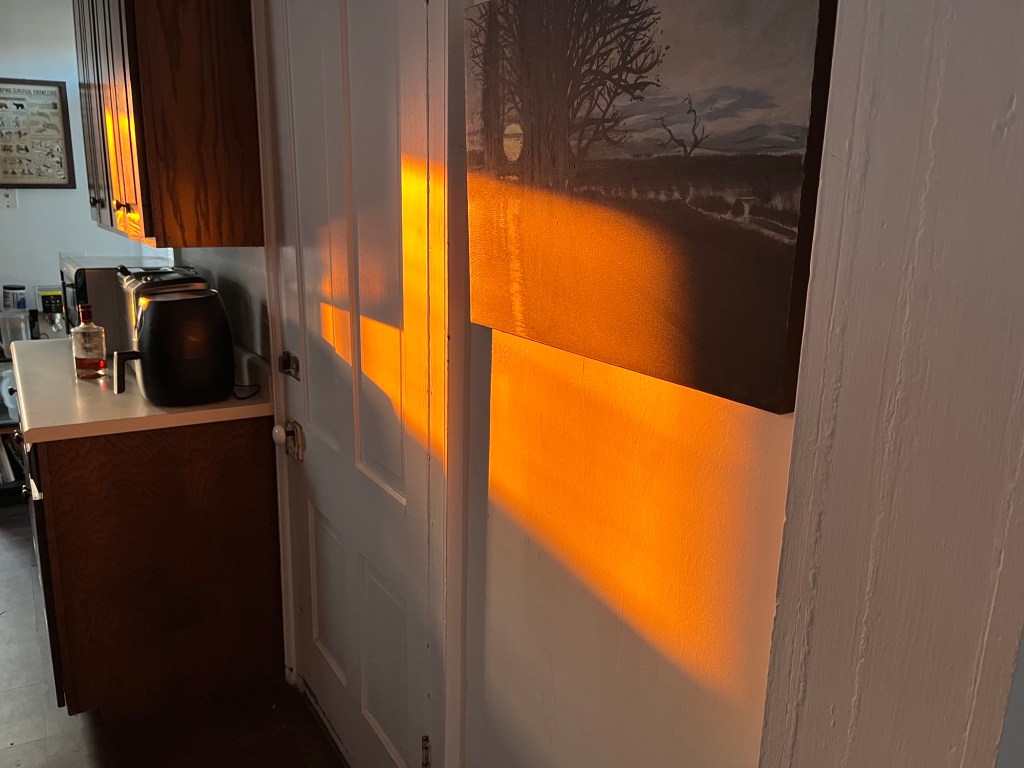
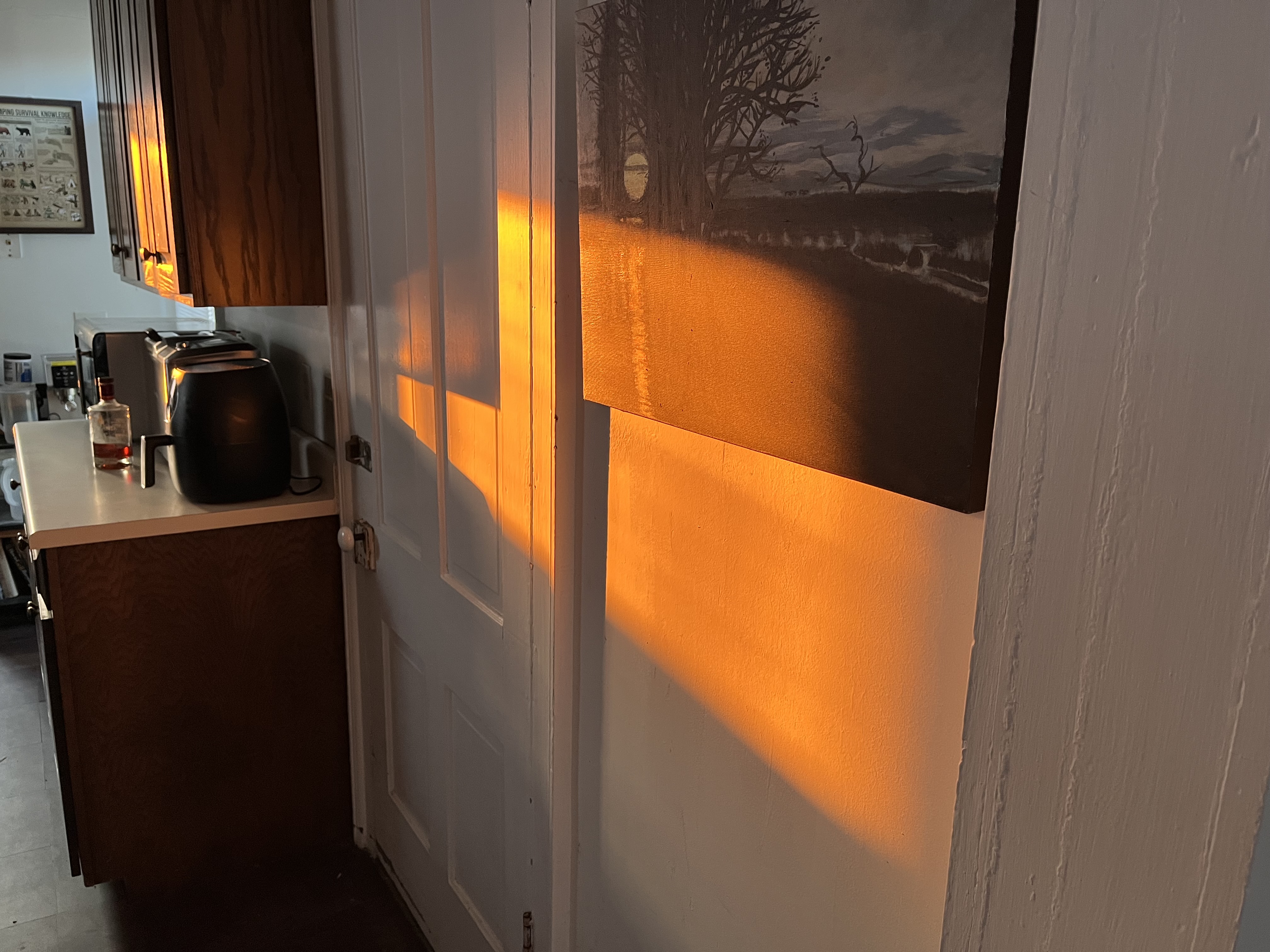
Pastoral Equanimity is accomplished through sustained immersion in patterns of nature: sunrises, midday, striking sunsets, and peaceful stars. The setting of the sun between the twin pines in the southwest in the winter and further north in the summer.
Standing alongside the goats as they graze, watching the vultures, listening to the crows. Appreciating the passing breeze in the summer and the warmth of the sun in the winter.
This is my virtue, my way of being with the natural world.
Stoicism and Equanimity
Marcus Aurelius, my adopted namesake, offered a framework: nature as a teacher, and virtue as alignment with reason and the world.
“From my grandfather, Verus, I learned good morals and the government of my temper. From the reputation and remembrance of my father, modesty and a manly character. From my mother, generosity and … simplicity in my way of living …” (Aurelius, p. 11).
For Aurelius, human life is best lived when you are rational, and to be rational is to act in accordance with nature. Understand and align you goals and actions with nature and swim with the current of the cosmos rather than against it. You will not change nature. We are fully within it. So rather than vainly attempt to control what you cannot and become irrationally upset that nature does not conform to your wishes, focus on your proper purview: you. This does not condone selfishness or passive inaction, however. If we believe a friend or colleague is upset with us, and it is within our power, we should tend to the issue. If the water bill needs to be paid, and it is within our power to do so, we should pay it. We should do our jobs well, be good spouses and parents, and be contributing members of our community. We should not, however, expect that the rest of the world will be as rational as we aim to be or become upset when things do not go our way. It is irrational, unproductive, and unbecoming for humans to be unduly upset by things beyond our control.
This way of life rejects excess and eschews control. It is gentle with others because it is not at war with itself. It is not missionary or evangelical. It is self-sufficient, not because it refuses help, but because it doesn’t beg for more than is needed. It leads to restraint without repression, presence without performance, and action without agitation.



 Pagan Renaissance Farm